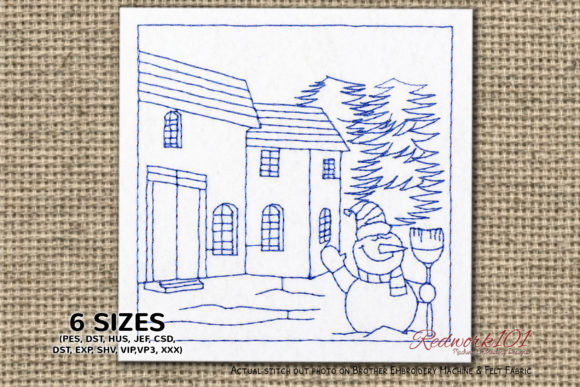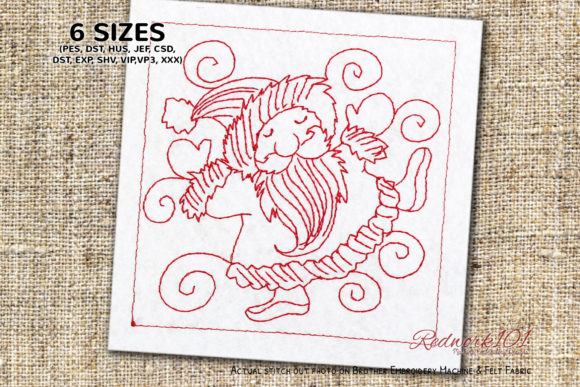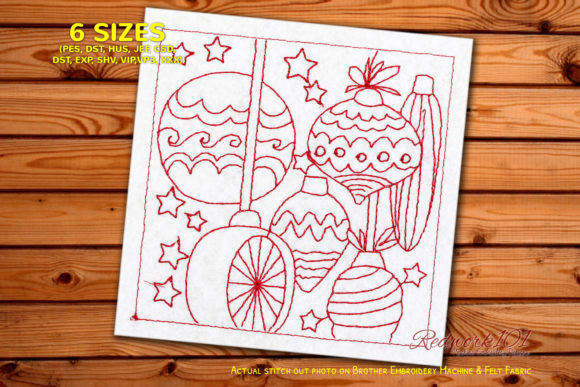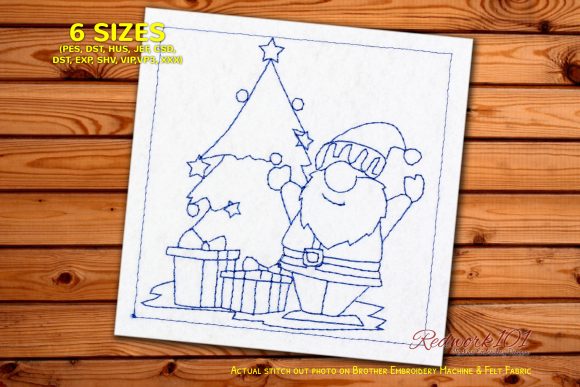
Why Snowman with Gifts Redwork is a Craft Fair Standout
As an embroidery designer preparing for a busy Christmas market season, my first step is always to review a design’s potential not just as a file, but as a physical, sellable product. Today, I’m looking at the Snowman with Gifts Redwork embroidery design. My goal is straightforward: will this design help my booth thrive? Based on its classic holiday theme and charming composition, I believe it absolutely will, but with some important practical considerations for production.
The First Impression: Festive, Soft, and Gift-Ready
The title alone, Snowman with Gifts Redwork, paints a clear picture. This isn’t a loud, bold graphic; it’s a soft, decorative, and inherently festive scene. The “redwork” style—traditionally a single color outline—suggests a rustic, almost farmhouse charm that feels handmade and premium. It evokes warmth and tradition, which are powerful selling emotions during the holidays. Customers scanning a crowded craft fair table will immediately recognize its Christmas appeal, but its gentle aesthetic also means it won’t clash with a customer’s existing decor. It’s cute without being childish, elegant in its simplicity.
Where This Design Shines on Products
When I imagine my booth display, I think through each potential product. Snowman with Gifts Redwork has versatile applications, but some will maximize its impact and profit.
On tea towels and aprons, this design is a natural fit. The kitchen-themed giftability is perfect. A single, well-placed snowman on a crisp white or natural linen towel looks classic and sells quickly as a stocking filler. For tote bags and market bags, it works beautifully as a large focal design, making the bag itself a festive accessory.
As an embroidered patch, it offers great flexibility. Patches can be sold as-is for crafters or applied to caps, pouches, or kids’ items. However, I pay close attention to the description’s note about the optional stitch box. On curved surfaces like caps, or on textured fabrics, any dense stitch areas or tiny details in the design need testing to ensure clarity.
For pillow covers and pillowcases, this design elevates a simple product into a cozy holiday home accent. It’s repeatable for batch production, allowing me to create a small line of coordinated bedroom or living room items. Small fabric pouches become instant gift wrap, with the embroidery adding perceived value.
Practical Production Points for Sellers
Turning a digital embroidery file into a stack of finished products requires a pragmatic review.
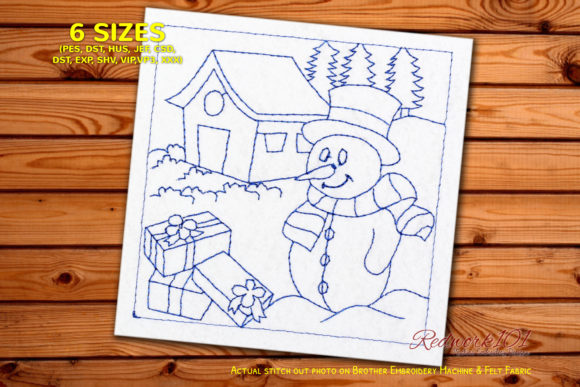
Visual clarity at a glance is excellent. The scene is easy to understand—a snowman with presents. This is crucial for craft fair sales where customers make quick decisions. For online listings like Etsy shops, it photographs well; the single-color (likely red) outlines create clean contrast against most backgrounds, especially on light fabrics.
Now, for the careful-use notes every professional considers:
- Stitch density and small details: Without knowing the exact stitch count, I must advise testing on scrap fabric first. Any densely stitched areas, like the gifts or snowman body, can be challenging on thick or textured towels if not stabilized properly.
- Size adaptability: Can it be stitched small for a delicate apron pocket, or large for a tote bag panel? I need to check the design’s integrity at smaller sizes—tiny lettering or intricate lines might lose definition.
- Fabric and color contrast: The classic redwork implies high contrast on light fabrics. On dark fabrics, like a navy tote bag, I would plan to use a brighter thread (maybe a cream or white) or ensure the design has enough solid fill to pop. Always compare fabric colors before batch production.
- Hoop size and stabilizer: The right hoop size and stabilizer are non-negotiable, especially for products like caps with curved surfaces or linen which can shift. Creating at least one real mockup on the intended product material is the best way to spot any issues.
Selling Power: Attention, Value, and Booth Display
How does Snowman with Gifts Redwork translate into actual sales?
It grabs customer attention through nostalgia and charm. In a booth, a cluster of products featuring the same cohesive design—say, a towel, a tote, and a patch—creates a strong, professional display that tells a story. This builds brand consistency for my small shop.
It enhances product value. A plain tea towel is utilitarian. An embroidered one with this festive scene is a handmade gift. The perceived quality increases, allowing for a healthier profit margin.
It drives buyer engagement. The theme sparks conversation (“Oh, look at the cute gifts!”), and its versatility means I can suggest multiple uses, potentially increasing the unit sale.
Final Designer Notes Before the Fair
My review confirms Snowman with Gifts Redwork is a commercially attractive embroidery design for the Christmas season. To ensure success, my final checklist is:
- Test on scrap of the exact fabric I plan to use (linen, cotton canvas, etc.).
- Check thread contrast and review spacing—does the design look balanced on the product?
- Inspect stitch density during the test run to avoid puckering on final products.
- Confirm commercial licensing for the digital embroidery file. The description mentions an optional stitch box, but I must verify the license terms allow me to sell the finished handmade products at the fair and online.
- Create printable mockups for my Etsy listings to showcase the design on various products before I’ve stitched them all.
By addressing these points, I transform a lovely digital asset into a reliable, profitable line of craft fair products. Snowman with Gifts Redwork, with its gentle holiday spirit and clear application, has the potential to be a quiet star of my handmade market booth, appealing to customers looking for that perfect, heartfelt Christmas touch.