From My Hoop: A Beaver Design for Personalized Gifts
Every time I prepare to test a new embroidery design for my gift shop, I approach it like a first date. I’m looking for that spark of charm, the potential for a lasting relationship with my customers, and the practical compatibility that makes for a smooth production run. Today, I’m sitting down with the Canadian Beaver Quick Stitch design. It’s listed under Baby Animals, but my mind is already racing through its potential beyond nursery walls—to wedding keepsakes, kitchen towels, and custom tote bags. Let’s stitch it up and see what we’ve got.
The First Impression: Sweetness with a Handmade Feel
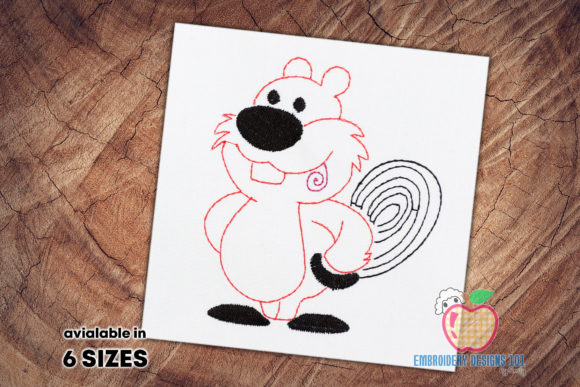
Opening the Canadian Beaver Quick Stitch file, the mood is immediately clear: playful and sweet, with a classic, handmade charm. The beaver’s design isn’t overly intricate or rigidly modern; it feels like a warm illustration. This emotional appeal is its strongest asset for personalized gifts. It doesn’t scream “baby” exclusively; it whispers “family,” “home,” and “gentle nature.” That versatility is gold for a gift shop. A customer looking for a romantic, personalized wedding gift—say, an apron for a partner who loves camping—might find this design perfectly symbolic and sweet, not just cute. For a baby blanket, it’s effortlessly tender.
Mapping the Design to Real Gift Products
As an embroidery designer planning products, I think in categories. Here’s where I see the Canadian Beaver Quick Stitch shining in my shop or on an Etsy shelf.
- Baby & Nursery Embroidery: This is the natural home. Embroidered onto a blanket corner, a pillow cover for a nursery chair, or subtly on a baby bib, it creates a gentle, animal-themed decor.
- Wedding & Family Keepsakes: Personalized gifts often need symbolism. For a couple with Canadian roots or a love for the outdoors, this design on a pillow cover or a framed embroidered piece becomes a meaningful keepsake.
- Home & Kitchen Personalized Towels: A single beaver embroidered on a kitchen towel or apron adds that custom, handmade touch that buyers seek. It’s a functional gift with personality.
- Craft Fair & Small Shop Products: For tote bags, pillow covers, or simple tea towels, this design is a quick stitch that boosts perceived value. It looks crafted, not mass-produced.
- Digital Product Seller Angle: For those selling the embroidery file itself, the “Quick Stitch” and multiple sizes mentioned are key selling points for crafters who, like me, want efficient, versatile designs for their finished products.
Where to Hoop with Care: A Designer’s Practical Notes
No design is perfect for every fabric. Based on the description that these are “not 100 filled,” meaning the stitch density is lighter, I’d plan its application carefully.
- Delicate Details & Small Lettering: If the design includes any tiny details or text, I’d test those first on scrap fabric. Lower density can sometimes make very fine elements less crisp.
- Textured & Thick Fabrics: On items like terrycloth towels or thick blankets, the lighter fill might integrate beautifully, allowing the fabric texture to complement the design without a stiff, plastic-like feel. Proper stabilizer choice is crucial here.
- Stretchy Fabrics & Curved Surfaces: For baby clothes or fitted items, the design’s likely simplicity could be a benefit, but hooping and stabilizer are paramount to prevent distortion.
- Dark Fabric Considerations: I would always compare light and dark fabric mockups. Thread color contrast is vital for the design’s charm to pop on darker materials like navy tote bags.
- Products for Frequent Washing: For kitchen towels or baby items that will be laundered often, a lighter stitch density can sometimes be more durable and less prone to puckering over time, but testing washability on a scrap is non-negotiable.
The Giftability Factor: Why Customers Would Choose This
When I evaluate a design’s commercial potential, I think about the end customer’s hand touching the finished product. The Canadian Beaver Quick Stitch scores high on emotional connection. It’s not aggressive or overly trendy; it’s gentle and classic. This builds customer trust—it feels like a sincere, handmade product, not a generic logo. For product photography on an Etsy listing or my shop site, the design provides a clean, recognizable focal point that tells a story. A buyer looking for a “personalized baby gift” or a “custom wedding apron” engages with that story. The perceived value of an item embroidered with this beaver is higher than a plain one; it shows care and customization.
My Pre-Production Embroidery Checklist
Before I’d ever run this on a real customer order, my routine is strict. Here’s my practical list for the Canadian Beaver Quick Stitch.
- Test on Scrap Fabric: Always. Use the same material as the target product—a piece of towel, blanket fabric, or cotton bag.
- Check Thread Color Contrast: Plan palettes for different backgrounds. A golden thread for the beaver on dark linen? Perhaps a soft brown on a light blanket.
- Confirm Hoop Size: The product comes in multiple sizes. I’d select the hoop size that matches my product scale—small for a bib, large for a pillow.
- Review Stitch Density: Seeing the “not 100 filled” description, I’d stitch a sample to feel the fabric drape afterwards. It should remain soft.
- Use Proper Stabilizer: Match stabilizer to fabric weight and texture. No one wants a puckered gift.
- Check Small Details After Stitching: Inspect the embroidered sample closely for any skipped stitches or unclear elements.
- Confirm Commercial Licensing: Before selling any finished products, I must verify the license terms of this digital embroidery file. It’s a fundamental step for any small business owner.
The Final Verdict for My Gift Shop
After this review, the Canadian Beaver Quick Stitch machine embroidery design earns a place in my product planning. Its sweet, handmade feel aligns perfectly with the market for meaningful personalized gifts. It’s emotionally warm and practically versatile across baby items, home goods, and keepsakes. The lighter stitch density mentioned could be a thoughtful advantage for certain fabrics, making finished products feel integrated and soft. My advice to fellow embroidery makers, Etsy sellers, and baby product creators is this: see it as a character, not just an animal. It can tell a customer’s story on a blanket, a towel, or a bag. But as always, your trust in a design comes from your own hoop. Stitch a sample, feel the result, and imagine it in your customer’s hands. That’s where the real magic—and the real business—begins.