Bee with Tree Redwork Embroidery: A Designer’s Honest Review
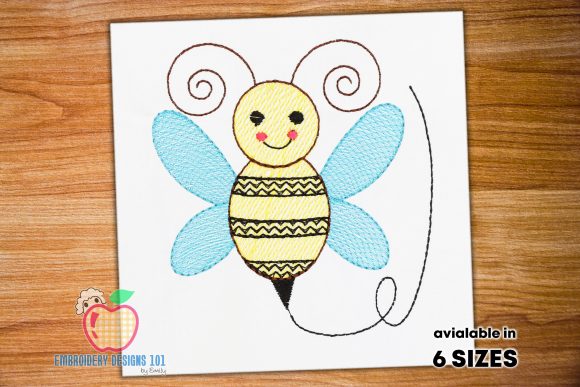
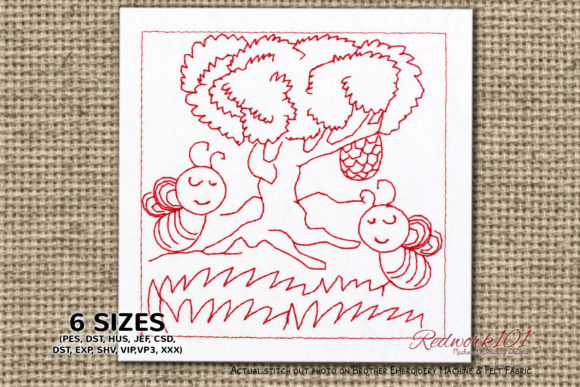
Whenever I see a new embroidery file pop up in the ‘Bugs’ category, my first instinct is to think about its personality. Not its stitches or its file format, but its mood. Bee with Tree Redwork has a distinct, quiet charm. The moment you look at the preview, it’s not a hyper-detailed scientific illustration; it’s a gentle, almost storybook-style portrayal. The bee and the tree together create a narrative—a simple scene of nature that feels wholesome and approachable. This is a design that whispers rather than shouts.
The Immediate Appeal for Project Planning
As a designer preparing projects for clients and my own small shop, I consider how a design’s visual personality translates into a finished product. Bee with Tree Redwork falls squarely into the ‘warm gift’ category. Its redwork style—traditionally single-color linework—offers a classic, handmade feel that customers instinctively trust. I imagine it stitched on a crisp white pillow cover for a nursery, or on the corner of a linen kitchen towel as a housewarming present. The composition is balanced; the bee has a friendly posture, and the tree provides a stable, grounding element. This isn’t a design for bold brand logos; it’s for products that convey care, nostalgia, and a personal touch.
Thinking through a real scenario: I’m preparing a batch of custom embroidered tote bags for a local boutique. They want a nature-inspired series. Bee with Tree Redwork comes to mind instantly. Its moderate detail level means it won’t become a dense, stiff patch on the bag fabric. The lines will translate into clean running stitches or satin stitches, depending on the machine settings, creating a graphic that’s legible from a distance but retains its fine charm up close. For an Etsy seller, this is key—a design that looks professional in listing photos and feels high-quality in the buyer’s hands.
Where This Design Finds Its Perfect Home
In practical testing for machine embroidery, a design like this shines on certain canvases. I’ve found similar styles work beautifully on:
- Custom apparel like t-shirts and sweatshirts, where the design isn’t too large or heavy.
- Tote bags and aprons, especially in natural fabrics like cotton or linen.
- Baby items—think blanket borders or subtle motifs on a knit hat.
- Pillow covers and tea towels, where home decor needs a touch of handmade artistry.
- Embroidered patches, as the clear lines make for easy cutting and application.
For holiday gifts or personalized products, this bee and tree scene carries a universal, gentle appeal. It’s not season-specific, which makes it a versatile asset for a craft business year-round. Stitched onto a simple cotton cap or the cuff of a sweater, it becomes a unique identifier, a small signature of nature.
Practical Considerations for Stitching Success
Now, for the realistic part. Every embroidery design has its ideal applications and its caution zones. With Bee with Tree Redwork, the optional box stitch mentioned in the description is a significant note. That outer box is a framing element. In most of my projects, I would skip it to keep the focus purely on the organic scene, making it more adaptable to different product shapes. This instantly makes the design more flexible.
However, the linework nature demands attention to fabric texture and stitch density. On very textured or stretchy fabrics, the finer details could get lost or distorted. On dark fabric backgrounds, you must choose a thread color with strong contrast—a bright red, a golden yellow, or even a crisp white—to maintain the design’s clarity. I always advise: test this design on a scrap of your intended project fabric first. Check how the small details of the bee’s wings and the tree branches render. Does your stabilizer choice keep the lines sharp?
Scenarios That Require Extra Care
- Very small hoop sizes: If you minimize the design too much, the lines can become too tight and risk breaking.
- Thin or delicate fabrics like silk: The stitch density needs adjustment to prevent puckering.
- Curved surfaces like caps: The tree’s vertical lines might need digitizing adjustments for optimal placement.
- Products needing frequent washing: Ensure your thread and stabilization are robust for durability.
The beauty of this design is that it avoids overly dense fill stitch areas, which reduces these risks considerably. But vigilance on setup always pays off in customer satisfaction.
How This Design Impacts Your Business & Craft
From a commercial and creative entrepreneur’s viewpoint, an embroidery file isn’t just art; it’s a tool. Bee with Tree Redwork as a digital embroidery file adds value in specific ways. For apparel decorators, it offers a quick, charming motif for custom orders. For makers selling at craft fairs, it creates a recognizable, cohesive look across a product line—a series of bee-themed items feels curated. Its giftability is high; people read the story in the image and connect it with thoughtful giving.
In terms of brand consistency, if your shop’s vibe is rustic, natural, or family-oriented, this design aligns seamlessly. It enhances a handmade presentation without looking amateurish. When buyers see it stitched on a product, the clean execution (assuming proper embroidery technique) communicates professionalism. That builds trust and encourages repeat engagement.
A crucial note for all designers and sellers: always confirm the licensing of the original embroidery file before selling finished items or using it in commercial embroidery projects. This is non-negotiable for protecting your business. Also, test the design in black and white mockups to see how it reads without color, and compare it on both light and dark fabric backgrounds in your digital previews. This helps you plan marketing photos and understand its versatility.
Final Designer’s Notes Before You Hoop It
My judgment on Bee with Tree Redwork is positive for real project use. It’s a design with a clear, sweet character that translates well into physical stitching. It’s suited for projects where emotion and subtlety are more important than bold statement. As you prepare to use it—whether for a personalized gift, a small shop merchandise item, or a client’s custom apparel—remember its strengths: its narrative quality, its adaptability by removing the optional box, and its classic redwork appeal. Approach its application with practical testing on your chosen fabric, and it will likely become a reliable, beloved part of your embroidery design assets, buzzing from digital file to a beautifully finished product.